Home »
Children’s Health
Inspiring Choice provides an integrative approach based on function and behaviour to assist families and children with an opportunity to thrive at home, school and in the community
Our Mission
Our mission is to empower clients, parents/caregivers, and professionals with timely, comprehensive, and well-integrated intervention and educational support under a family-centered, best practice framework that leads children to thrive.
We value and respect the rights, responsibilities, and aspirations of people with all abilities while promoting maximum inclusion and participation. We offer a space of safety, child development, patience, tolerance, and acceptance, where children and their families can feel supported and understood.
Our Allied Health Team
We will help you to communicate your concerns, understand your child’s needs and develop strategies to integrate changes into the daily lives of both you and your child one step at a time.
We value and respect the rights, responsibilities and aspirations of people with all abilities while promoting maximum inclusion and participation.
We offer a space of safety, patience, early intervention services, tolerance and acceptance, where children and their families can feel supported and understood.
Our Approach
IC4K provides an integrative approach based on function(developmental, neurological) and behaviour to assist families of children or adults with autism, developmental delays, neurological and cognitive challenges with an opportunity to thrive at home and in the community.
We offer a specific brain based neurodevelopment program that addresses all aspects of child development & behaviour
( biochemical, genetics, neurodevelopment, emotional regulations, social interactions, sleep management, dietary modifications/food coaching and sensory integration).
Epigenetic Factors
Inherited patterns of weakness, genetic susceptibilities. Environmental influences, biochemical imbalances, healthy gestation and birthing.
Primitive Reflexes
Retained (neo-natal) primitive reflexes Body awareness Safety and Sound integration
Autonomic Nervous System
Regulates body processes such as blood pressures, respiration, digestion, arousal/Sleep reproduction, enteric & parasympathetic.
Sleep Health
Sleep rejuvenates , regulates emotions and recharges the brain and the body.
Postural Reflexes
Vestibular, Ocular, Proprioception, spinal, joint, muscle-movement & coordination. Safety through movement, Primitive emotional discharge and behaviour
Biochemical/ Nutrition
Metabolic dysregulations ,cellular health, functional medicine, DNA testing
Emotions Sensory Integration
Integration of 5 senses, interoception & proprioception as foundation for reflexive Emotional discharge , Pattern recognition, copying
Feeling / Behaviour
Creating meaning of Emotions, Role modelling ,Emotional regulation
Sensory Motor perception
Understanding spoken words, visual awareness, speech development, hand eye coordination, Auditory integration
Social Brain / Cognition
Behavioural modification, learning styles,self control, body language awareness, understanding social cues, family coaching.
Cognition.
Memory,attention, problem solving, audio-visual motor integration, Left and Right Brain integration, self regulation and the speed in which brain process information
Harvard University’s Centre on the Developing Child
“Early experiences determine whether a child’s developing brain architecture provides a strong or weak foundation for all future learning, behaviour, and health. Education during the first five years of life is critical and will produce better outcomes in academic achievement, economic productivity, responsible citizenship, and eventually successful parenting of the next generation.”
Our Protocol
We follow a sequential four-phased developmental program from infancy to adulthood. Each phase targets five area:
Psycho-Motor
Adaptive Behaviour
Communication
Emotional/Social
Cognition
First step – a multi-disciplinary team assesses Function and Behaviours. We design personalised interventions to overcome barriers to social and emotional development in each phase as shown in the wheel below.
We educate parents and educators on creating personalised learning environments. Our Key Workers model ensures personalised plans and ongoing support. Best practice emphasises learning in everyday settings, facilitated by trained professionals.
Best practice early childhood intervention Guidelines:
Family needs and preferences are paramount in all services.
Diversity in families is recognised and respected.
Children actively participate in daily life with support.
Skill development happens naturally in daily routines.
Collaboration between families and professionals is key.
Empowering everyone through knowledge and skills is crucial.
Professionals prioritise family desires for best outcomes.
Services are evidence-based with qualified professionals.
PHASE 1: Physical Safety & Movement
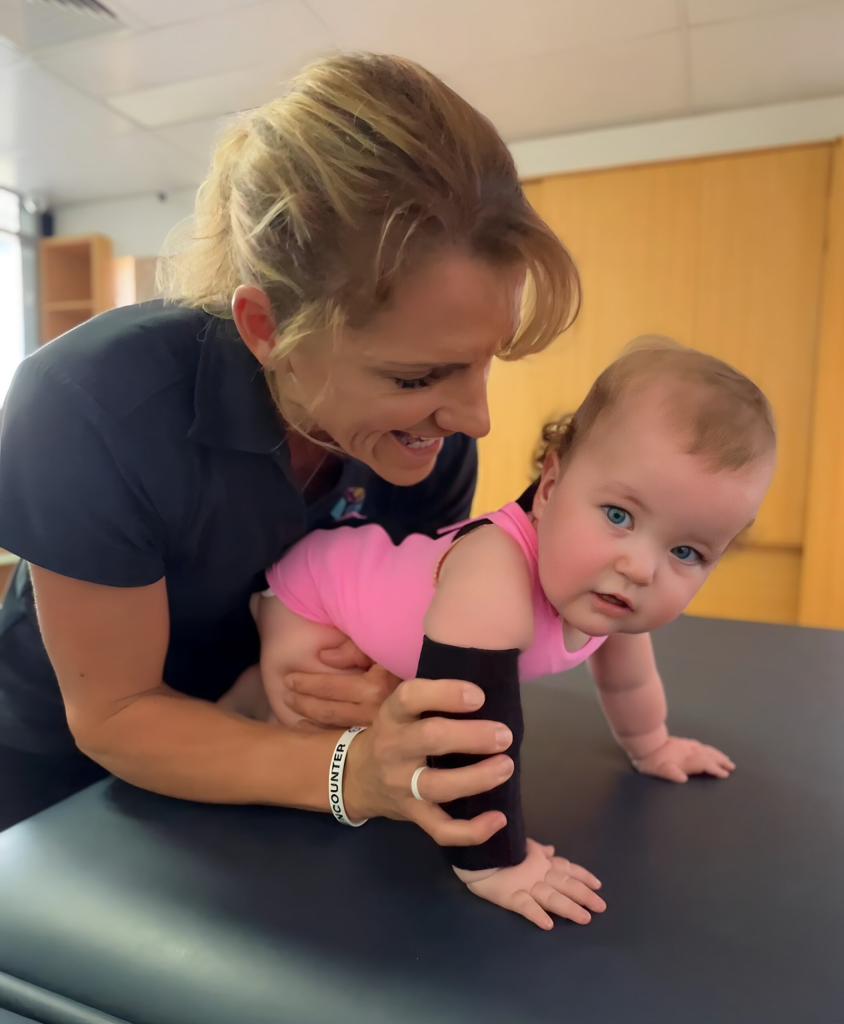
Vestibular, auditory and visual sensory integration regulating:
- Postural development and control
- Gross and fine motor coordination
- Timing and sequencing
- Body awareness
- Eye-hand coordination
- Eye-foot coordination
- Eye muscle control
- Self-care
- Self-regulation , cognition and attention.
Children’s appropriate sleep patterns and behaviour will be addressed as well as their inherited metabolic challenges which may contribute to their growth and learning.
PHASE 2: Creating Emotional Safety & Regulation
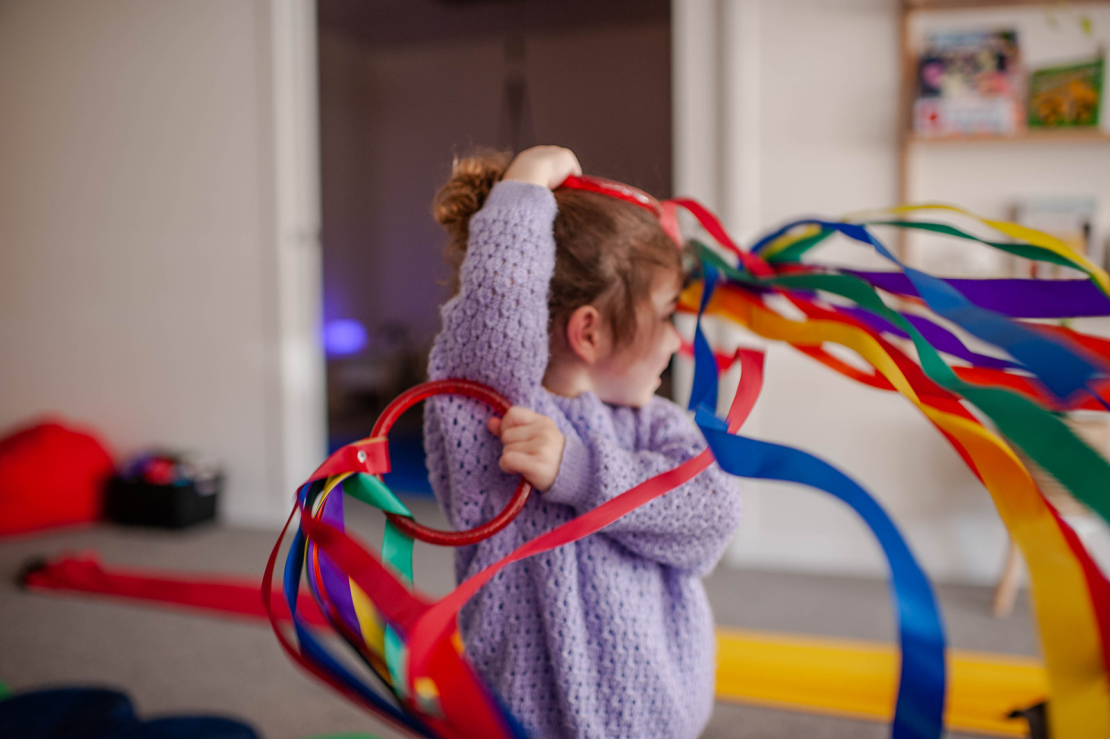
Social neuroscience identifies 6 modes of perception, influencing how a child interprets and interacts with the world. Each mode of perception guides learning which is aligned with Professor Howard Gardner’s theory of multiple intelligences,
During this phase, we focus on understanding individual emotional needs which influences emotional response and regulation.
Creating emotionally safe environments is crucial for facilitating learning from the frontal lobe of the brain.
By emphasising respectful engagement and effective communication, we enhance the learning process.
Leveraging the child’s natural strengths enables us to overcome barriers and challenges to learning, while tailored environments encourage the fostering of positive behavioral development. Moreover, utilising the language of encouragement effectively wires the child’s brain for desirable social and emotional behaviors.
Regular Assessment in all domains helps track progress and determine necessary support.
PHASE 3: Communication / Learning To Play
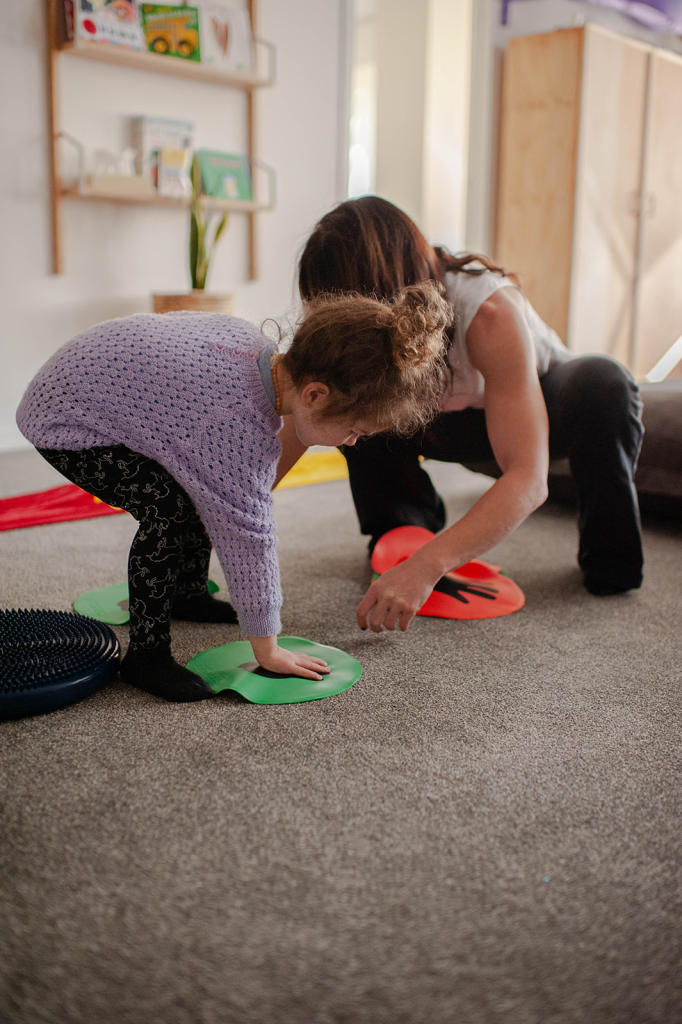
When children have not reached the development milestones within phase 1 & 2. They are learning to survive rather than thrive.In this phase we focus on educating and refining new behaviors in children, to support them on becoming effective learners based on their social brain.
It employs a family-centered behavioral strategy aimed at building capacities for happiness, effective communication, and socialisation.
Understanding and utilizing the child’s natural mode of learning are pivotal for fostering motivation through play based learning activities.
This phase prioritises setting up learning environments tailored to a child’s interests and optimal learning methods. Utilising these interests, we develop capacities across various domains, including :
- psycho-motor,
- Emotion
- Communications
- Social
- Cognitive abilities
PHASE 4: Social Interaction / Making Wise Choices
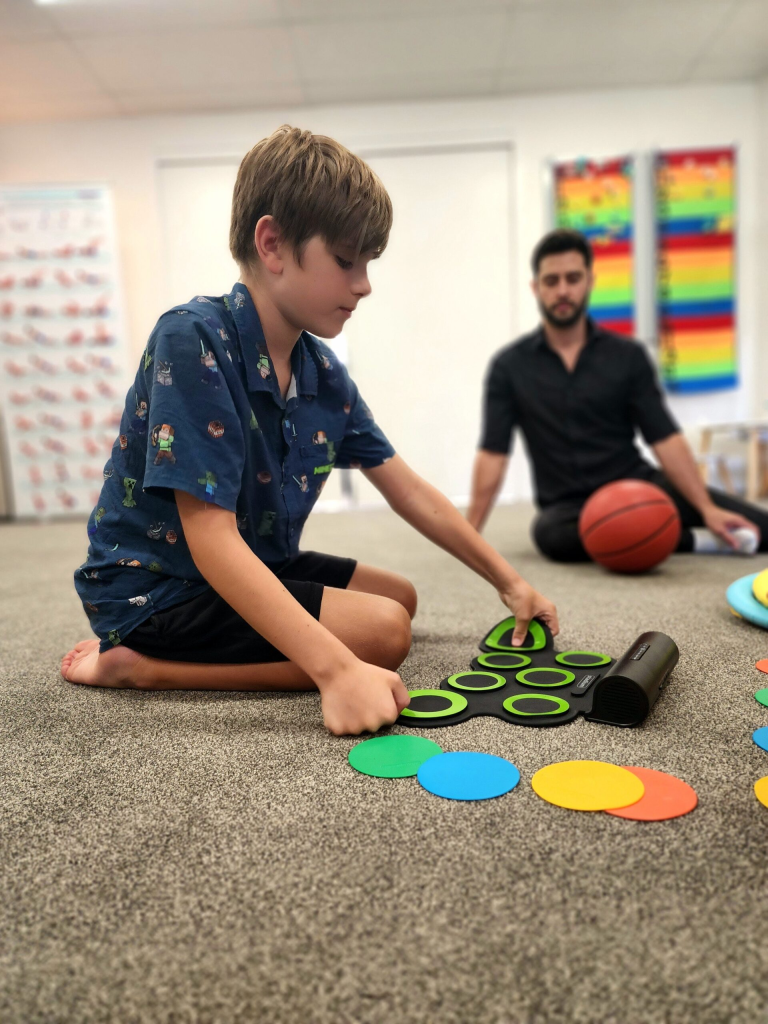
Phase 4 focuses on social navigation and decision-making skills. We use the child’s natural strengths to overcome barriers and challenges to learning social interactions.
Children learn to systematically reflect on conflict experiences and transition from reactive to creative responses.
Children are guided to reflect on choices, considering context and others feelings, enhancing social effectiveness and joy in interactions.
Assessment tracks developmental growth, informing necessary interventions to enhance physical, intellectual, and relational capacities.
Children learn through observation and copying.Parents and educators are encouraged to develop virtue based learning and behaviour so that they can role model behaviors for their children and engage in positive learning environments.
Behavioural Modification & Family Coaching
Dr. Arini Verwer, PhD, developed Social Brain & Interaction protocols, which focus on brain development and the influence of the social environment on emotional state and behaviour. This therapy aims to assist families in understanding each family member’s emotional needs through communicative patterns of behavior and movement. Social Brain therapy is grounded in the science of learning and behavior, pinpointing a child’s learning style, emotional needs, and value system that drive behavior. Through parent coaching services, specific tools and skills are identified and applied to help the child in everyday life, fostering emotional regulation, independence, and improved social interaction.
Brain Mapping (QEEG) & Neurotherapy
Using state-of-the-art technology, we employ Quantitative Electroencephalography (QEEG) brain mapping to create brain maps, which illustrate the electrical activity of the brain. This is then statistically compared to a database of ‘normal’ brain activity, providing a quantitative indication of the differences in brain function from normal. The functional Brainwave patterns so revealed can indicate the underlying brain physiology that may be associated with certain dysfunctional conditions, as well as the severity of the condition.
Our QEEG analysis is independently analysed by an expert team , using several Analysis systems, examples of which are shown below. A report is returned to us with an explanation of findings and recommendations for Neurofeedback training.
Neurofeedback (also called Neurotherapy or EEG biofeedback) is, in essence, a way of training the brain to use more productive patterns of brainwaves. It is a non-invasive treatment, that teaches the brain to self-regulate, strengthening neural pathways while increasing mental endurance and flexibility.
Neurotherapy is accompanied by functional brain exercises, treatments, and Nutritional supplementation to optimise brain health.
Functional Neurology and Postural Rehabilitation
The program aims to assist individuals in our community facing neurodevelopmental disorders, such as Autism spectrum disorders, Asperger’s, ADHD, Dyslexia, Processing disorders, Sensory processing disorders, Developmental delay, and Poor social skills. It integrates practices from functional neurology, occupational therapy, vision therapy, and cutting-edge digital technology, currently being patented as digital medicine.
Rationale behind the Neuro and Postural Rehabilitation
It is notable that areas of the brain involved in movement, such as the Cerebellum, Basal Ganglion, Thalamus, and prefrontal cortex, also play roles in cognition and emotional integration. These areas have motor and non-motor functions that collaborate to modulate cognition, emotional behavior, and movement.
Muscular activities pattern themselves during the development of primitive reflexes (fixed action patterns) as they adapt to gravity. The Cerebellum, vestibular system, limbic system (Basal ganglion, Thalamus), and prefrontal cortex serve as the control center for these movement patterns, influenced by chemical and structural stress, as well as the individual’s emotional state.
If these reflexes persist beyond their typical time span, they are considered aberrant, retained, and indicative of structural weakness or immaturity within the central nervous system. The integration and inhibition of primitive reflexes are crucial for maintaining brain energy efficiency.
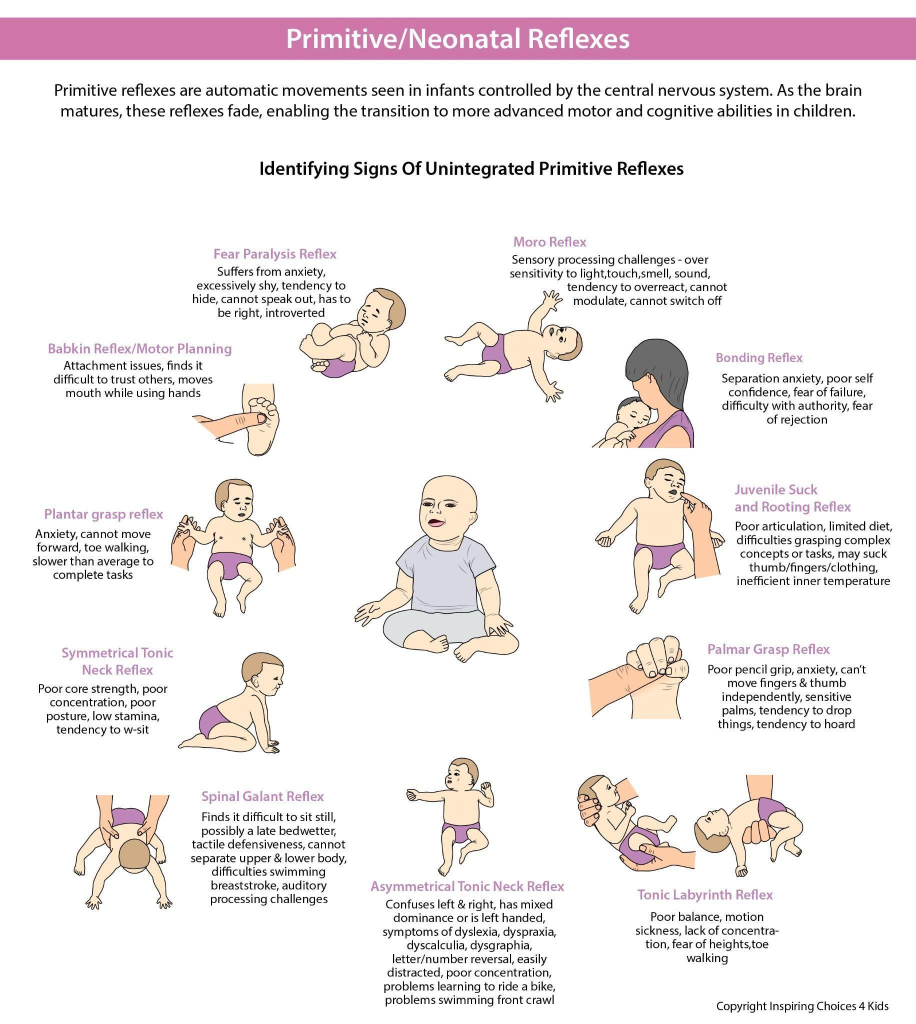
Primitive reflexes emerge in utero, are present at birth, and typically are inhibited by 6-12 months of age. Reflex inhibition correlates with control by higher brain centers, facilitating the development of more complex neural structures and voluntary movements.
These fixed motor patterns give rise to goal-oriented movements and proper development of the neocortex. Delay or disruption in this bottom-up projection, termed “bottom-up interference,” can delay the development of more advanced brain areas, potentially hindering top-down maturational processes that inhibit these reflexes.
Retained primitive reflexes can also impact a child’s sensory perceptions, causing hypersensitivity or hyposensitivity and contributing to asymmetry in left and right brain information processing, speed, and timing.
Emotions can be viewed as a form of fixed action pattern, considered premotor in nature. Just as muscle tone serves as a base platform for muscle movement, emotions serve as premotor platforms that either drive or deter actions. For example, children with autistic spectrum disorders and attention deficit hyperactive disorders may exhibit stereotyped movement patterns due to uninhibited fixed action patterns, resembling hyperkinetic movements.
Some of the modalities utilized in the implementation of our Neuro Rehab and cognitive therapy protocol based on your child’s needs and evidence available for their use are:
- Therapeutic Listening Therapy: This therapy has shown global improvements supporting changes in brain performance across various domains such as executive function, communication, motor coordination, auditory processing, self-regulation, attention, social and emotional function, stress response, and creativity. TLP involves listening to acoustically-modified instrumental music through high-quality headphones.
- Interactive Metronome: This training program improves timing in the brain through an organized, systematic, flexible, and engaging format. Research demonstrates that combining movement and cognitive tasks leads to better overall outcomes. IM challenges thinking and movement simultaneously, providing real-time millisecond feedback to synchronize the body’s internal clock. It progresses through 4 phases, with specific goals and exercises designed to be motivating and engaging.
- Dynamic Neuromuscular Stabilization (DNS): Developed by Professor Pavel Kolar Pediatric Physiotherapist at Prague University, DNS focuses on successful motor movements in primitive reflex development stages in early childhood. It relates to sensorimotor integration such as sound and vision, regulated by the vestibular system. DNS enhances functioning in various areas including postural development and control, gross and fine motor coordination, timing and sequencing, spatial awareness and body awareness, balance, eye-hand coordination, eye-foot coordination, eye muscle control, visual motor skills, self-regulation, and attention.
- MNRI Therapy: This protocol focuses on the assessment and integration of primitive reflexes and their influence on postural, emotional, and cognitive development. Integrative exercises improve learning behavior, attention, and focus. Without these exercises, delays in learning, poor balance and coordination, underdeveloped vestibular and proprioceptive systems, and trouble with motor planning may persist.
- Photobiomodulation (soft laser therapy): This therapy increases energy (ATP) within cells to enhance nerve conduction and brain chemical production.
- Brain Mapping/QEEG: A diagnostic tool that measures electrical activity in the form of brain wave patterns. It is sometimes referred to as “brain mapping”. QEEG can reveal brain wave patterns associated with impulsivity, cognitive inflexibility, anxiety, and other symptoms.
- Neurofeedback: A training method to improve brain function by providing feedback on brainwave patterns.
Emotions can be viewed as a form of fixed action pattern, considered premotor in nature. Just as muscle tone serves as a base platform for muscle movement, emotions serve as premotor platforms that either drive or deter actions. For example, children with autistic spectrum disorders and attention deficit hyperactive disorders may exhibit stereotyped movement patterns due to uninhibited fixed action patterns, resembling hyperkinetic movements.
Our goal
Our goal is for children to feel safe, learn to regulate their emotions, develop happier and more joyful relationships with their families, friends & their environment.
What can you expect?
Your initial intake process
- An online questionnaire for your completion
- An initial consult to assess your childs needs & goals
- Service agreement for our initial assessment program
- Upon agreement: An appointment with our senior OT or Physiotherapist to complete functional & sensory assessment
- A customised treatment, neuro-rehabilitation program and the costing
- A program recommendation for your therapy & appointments with our allied health team
- Program implementation upon your acceptance of our services agreement